

We design, build, own and operate the entire thermal plant on your site — boiler, fuel chain, water treatment, emissions stack, controls and crew. You sign a 10–20 year take-or-pay tariff and pay per ton of steam consumed. Zero CAPEX leaves your balance sheet untouched; a contractual 98–99.5% uptime SLA puts the reliability risk on us. Biomass leads the fleet, our new renewable-powered electric boilers take the zero-emission duties, and hydrogen-ready gas covers everything in between.
Every tariff starts with a fuel-cost model of your site. Biomass wins most of the time — but the right answer is increasingly a blend, and our new electric route now serves loads combustion never could.
Agro-waste briquettes, pellets, husk and bagasse fired in chain-grate and fluidised-bed boilers. Renewable, carbon-neutral over its lifecycle, and routinely 20–40% cheaper per MMBtu than oil or LPG. We run the entire fuel supply chain.
The biomass fleetElectrode and resistance boilers fed by dedicated solar and wind PPAs. ~99% conversion efficiency, zero on-site emissions, no stack, no fuel trucks. The cleanest steam we have ever delivered.
Explore electric boilersLPG and natural gas firing where the biomass supply chain doesn't reach. Every new gas plant ships with burners rated for up to 30% hydrogen blending and a documented conversion path to 100% green H₂ mid-contract.
The gas-fired rangeBiomass as baseload, electric or gas as the peaking and standby layer. ClearOS™ dispatches whichever source is cheapest and cleanest minute-by-minute — you see one steam header and one per-ton invoice.
How ClearOS dispatchesBiomass is our preferred fuel wherever the supply chain works. We contract aggregators, test every truckload for moisture and ash, and meter the fuel daily — you see one transparent per-MMBtu tariff with 10–20 years of supply visibility.
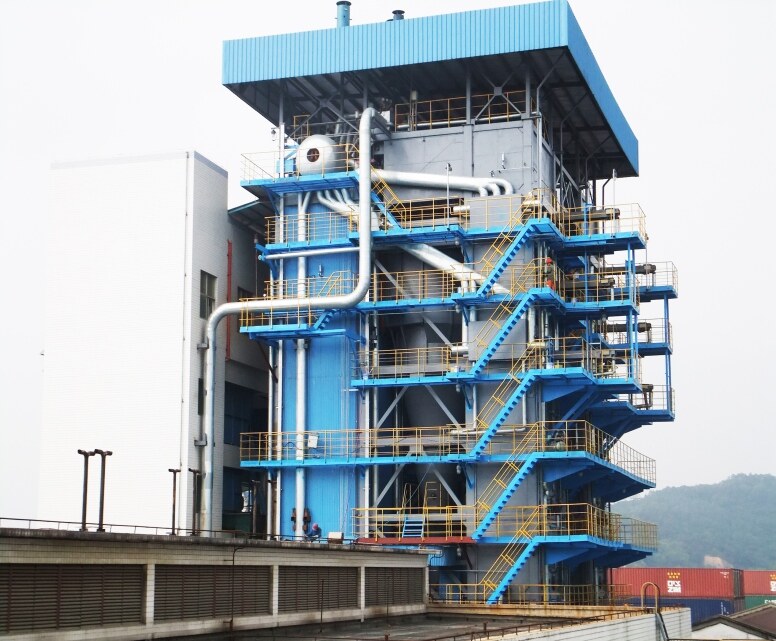
Indicative ranges across our Indian customer base at 2026 prices. Actual tariffs depend on location, logistics, plant efficiency and contract term — we run a fuel-cost model on every prospective site before we quote.
| Energy route | Indicative landed cost | CO₂ intensity (lifecycle) | Notes |
|---|---|---|---|
| Biomass briquettes | ₹ 280 – 380 / MMBtu | Near-zero (renewable fuel cycle) | Best landed cost in most geographies. Carbon-credit and REC upside. |
| Electric + renewables NEW | ₹ 550 – 850 / MMBtu | Zero on-site; near-zero with PPA + REC supply | Solar/wind PPAs + thermal storage + ClearOS dispatch. See electric boilers → |
| Natural gas | ₹ ~880 / MMBtu | ~ 50 kg / MMBtu | Cleanest fossil. Best where pipeline access exists; H₂-blend ready. |
| LPG | ₹ 980 – 1,280 / MMBtu | ~ 60 kg / MMBtu | Highest reliability and lowest emissions among the fossils. |
| HSD (diesel) | ₹ ~1,450 / MMBtu | ~ 75 kg / MMBtu | The fuel we most often displace. Costliest heat in the table. |
| Coal (industrial grade) | ₹ ~520 / MMBtu | ~ 95 kg / MMBtu — highest CO₂ | Cheap fuel, expensive externalities. Increasingly regulated out. |
Biomass wins continuous baseload almost everywhere a supply chain exists. Renewable-powered electric wins clean-steam, urban and sharp-batch duties — and the biomass-plus-electric hybrid beats either alone on most large sites. Coal only looks cheap until CO₂, compliance and license-to-operate risk are priced in.
No hidden O&M contracts, no surprise consumables, no compliance scramble. If it keeps steam in your header, it's our job and it's in the tariff.
Certified boiler operators on every shift, preventive and predictive maintenance, spares inventory, annual shutdowns and statutory inspections — staffed, scheduled and paid for by us.
Boiler feedwater chemistry, softening and RO plants, blowdown control and condensate-return management — protecting both the asset and your steam quality.
Continuous emissions monitoring (CO, CO₂, NOx, SO₂, particulates), ESP/baghouse operation, and full statutory reporting to BEE, CPCB and state PCBs under your consent-to-operate.
Every plant streams telemetry to our network operations centre. Anomalies are caught by predictive models hours before they become trips — it's how 98–99.5% uptime is contractually possible.
Calibrated steam-flow and energy meters at the battery limit. You're invoiced on measured consumption — per ton of steam or per MMBtu of hot water, HTF or cooling — with full data access.
We register, document and monetise the carbon credits, RECs and energy-savings certificates your contract generates — biomass and electric-renewable sites are highest-yield — and share the proceeds back transparently.
Whether the input is biomass, renewable electricity, gas or a hybrid, the output you buy is the same: clean, metered, reliable energy in the form your process needs.
Saturated or superheated, 2–200+ TPH, tiered low (≤7 bar), medium (7–17 bar) and high pressure (>17 bar / superheated). The anchor product — billed per ton delivered.
Pressurised hot water at 60–180°C for process heating, HVAC and CIP loops — common in food, dairy and hospitality. Volumetric tariff per MMBtu delivered.
Steam-driven absorption chillers turn one fuel input into both heat and 5–12°C cooling — for HVAC, fermentation, electronics and pharma cleanrooms. Bundles with steam contracts.
Closed thermal-oil loops at 150–350°C for high-temperature, low-pressure duties in chemicals, rubber, resins and food frying. Fully metered with condensate-free operation.
Direct and indirect-fired hot-air generators up to 600°C for spray driers, fluid-bed driers, plywood, tea and coffee. Switching drying loads from diesel to biomass cuts fuel cost 40–55%.
For cGMP sterilisation, urban sites and hard ESG targets: combustion-free steam from our new electrode and resistance boilers, powered by solar and wind PPAs.
Electric boilers, powered by renewablesThe structure is deliberately boring: it's what lets us put crores of plant on your site at zero cost to you, and what locks your unit economics for a decade or two.
You commit to a minimum offtake of 70–85% of contracted capacity. Below the floor, the floor still bills; above it, every extra ton is at the same base tariff. The floor is what underwrites the asset.
A fixed monthly charge for the TPH or MMBtu/hr we hold ready for you — a reservation, not a penalty. It recovers capex and keeps standby capacity spinning for your peaks.
The base tariff is set against a fuel baseline — biomass index, gas contract or renewable PPA. Deltas pass through quarterly on a transparent formula, so neither side carries spot volatility.
Uptime below the 98–99.5% SLA triggers rebates against the capacity charge. Tariffs escalate annually with caps and collars. At term end: renew, relocate, buy at residual value, or restructure.
Because capex recovery and fuel pass-through are separated, we can change the fuel input mid-contract without renegotiating: gas plants convert to green hydrogen when economics arrive, and biomass sites can add a renewable-powered electric boiler for peaks — same plant, same contract, lower carbon.
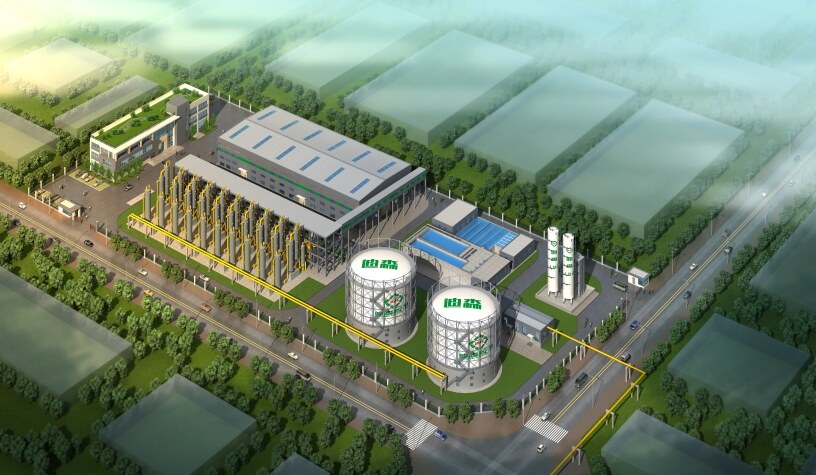
A thermal audit models your load profile and fuel options; a binding tariff follows within ten working days. We then build on a fixed calendar — civil, erection, IBR certification, commissioning — while your existing boiler keeps running until cut-over day.